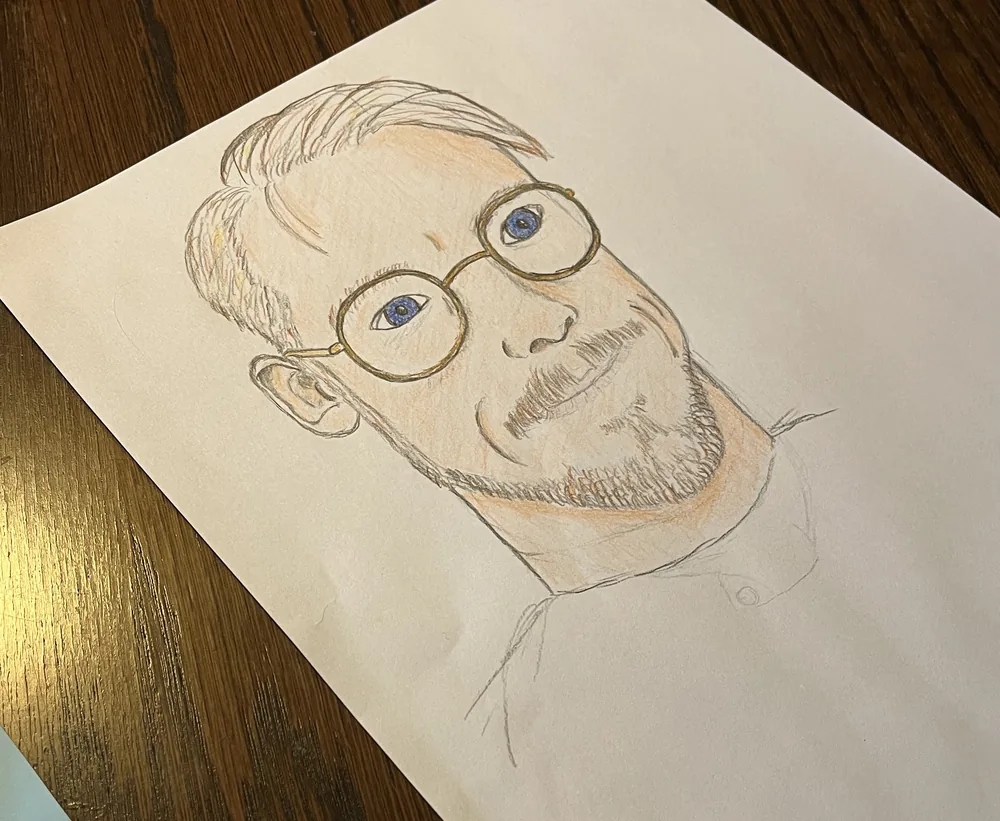
Design & Product Leader · PhD in Applied User Research
From research and insight to products of value.
I'm Erik Lövquist. For over 15 years I've led research, design and product strategy, from VR medical simulators to Qlik's analytics platform and, today, fintech SaaS at Quiddly.
- 15+ years
- of user research, design and design leadership
- 100+
- user interviews behind Qlik's personas
- 100+
- workshops run as moderator
- 50+
- usability tests
- 50+
- new capabilities designed at Quiddly
- PhD
- in Applied User Research, 2010
Selected work
Case studies
 Faster Finances
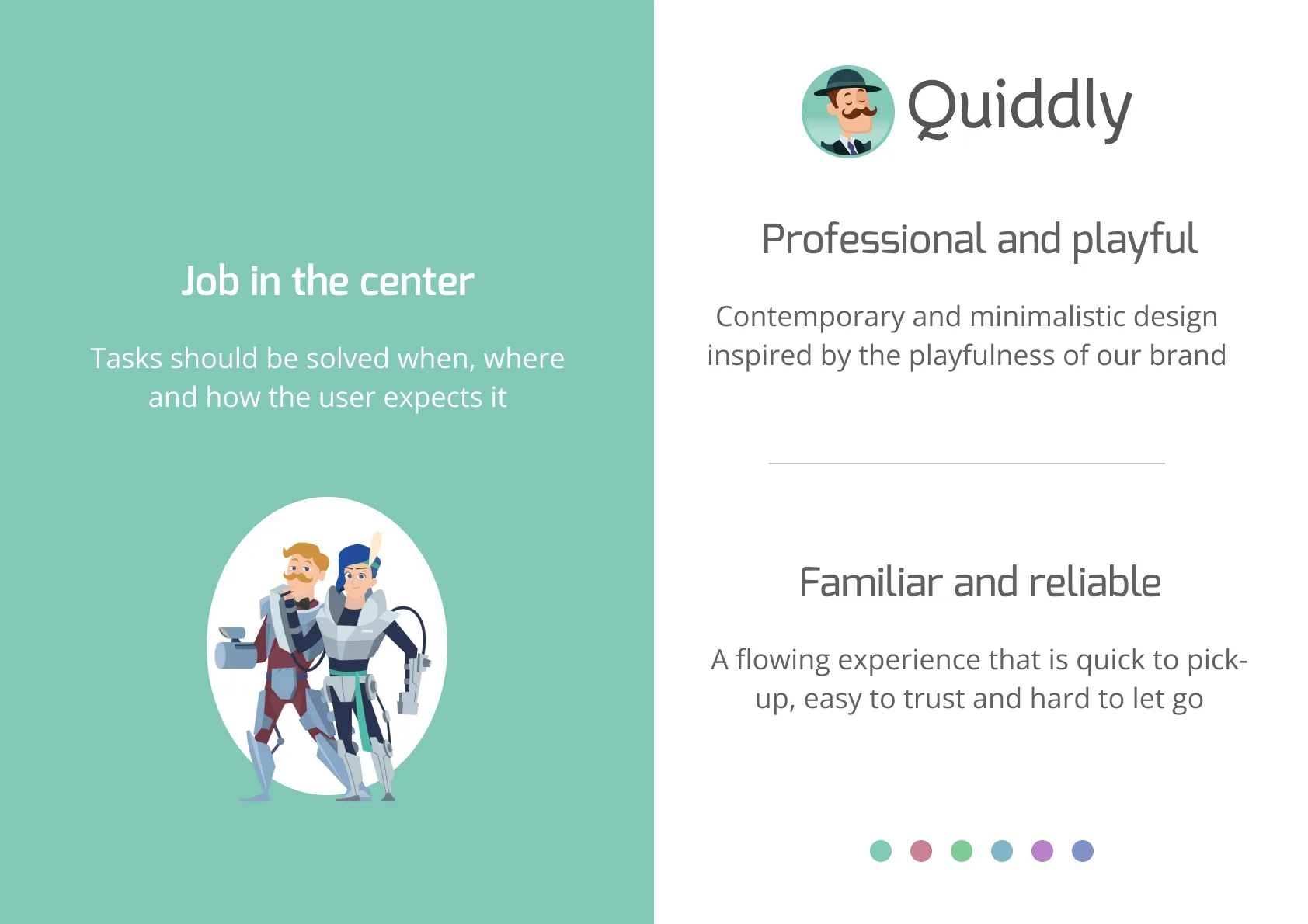
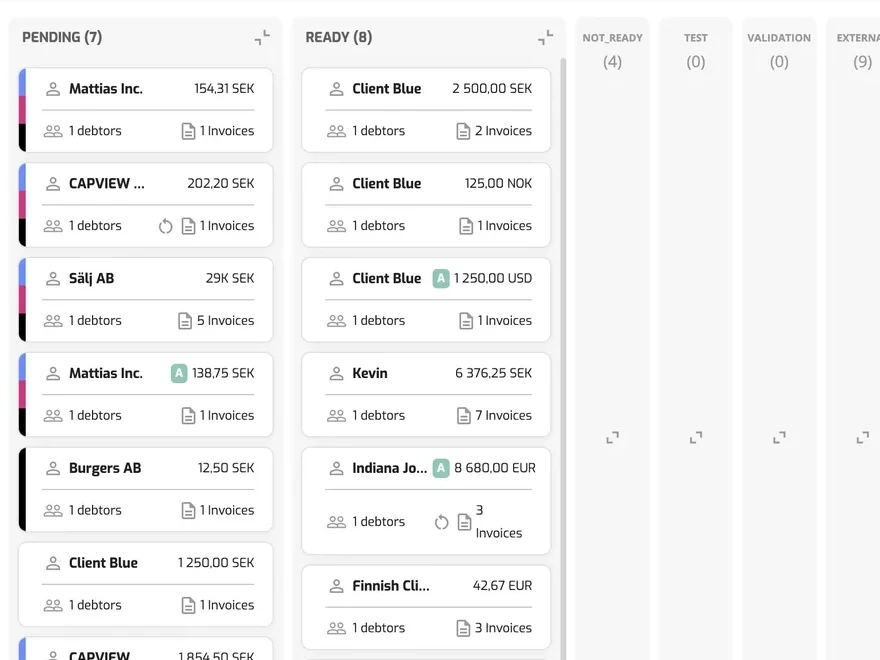
Introducing design principles, research and a design system at a scale-up, and designing 50+ new capabilities.
Read case study
Business intelligence
Faster Finances
Introducing design principles, research and a design system at a scale-up, and designing 50+ new capabilities.
Read case study
Business intelligence
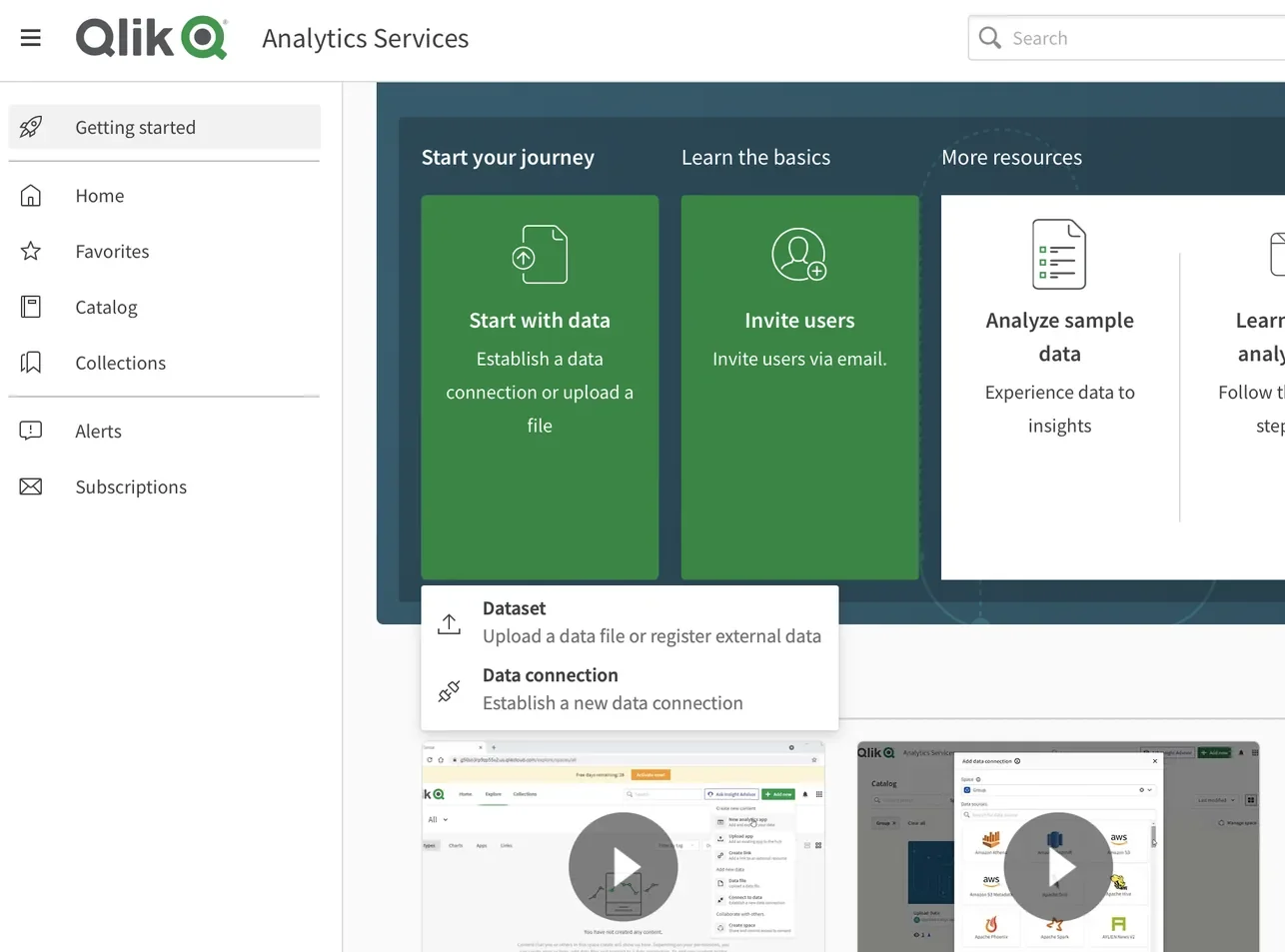 Insights for Everyone
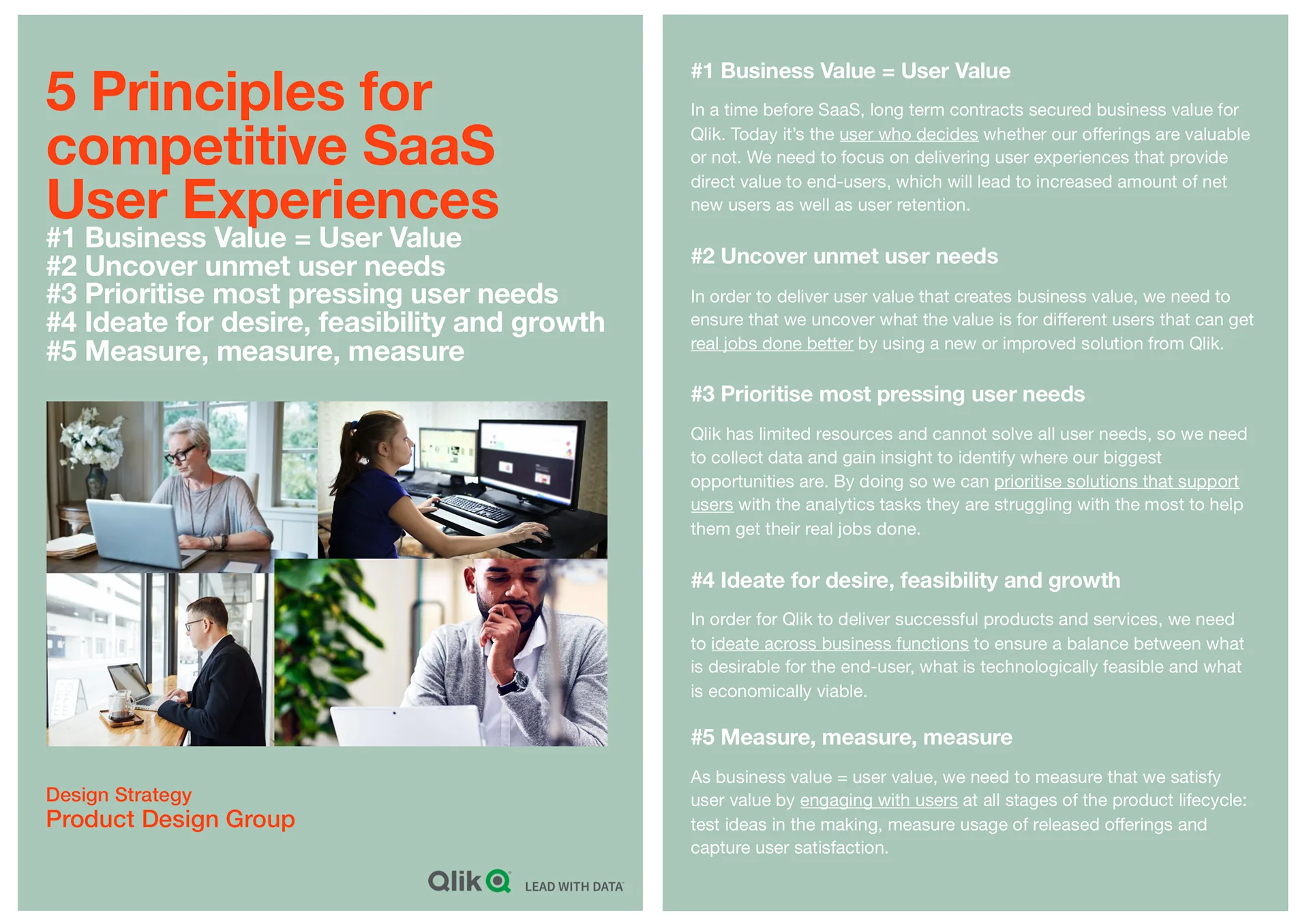
Personas from 100+ interviews, agile usability testing and a redesigned trial experience for Qlik Sense.
Read case study
Healthcare
Insights for Everyone
Personas from 100+ interviews, agile usability testing and a redesigned trial experience for Qlik Sense.
Read case study
Healthcare
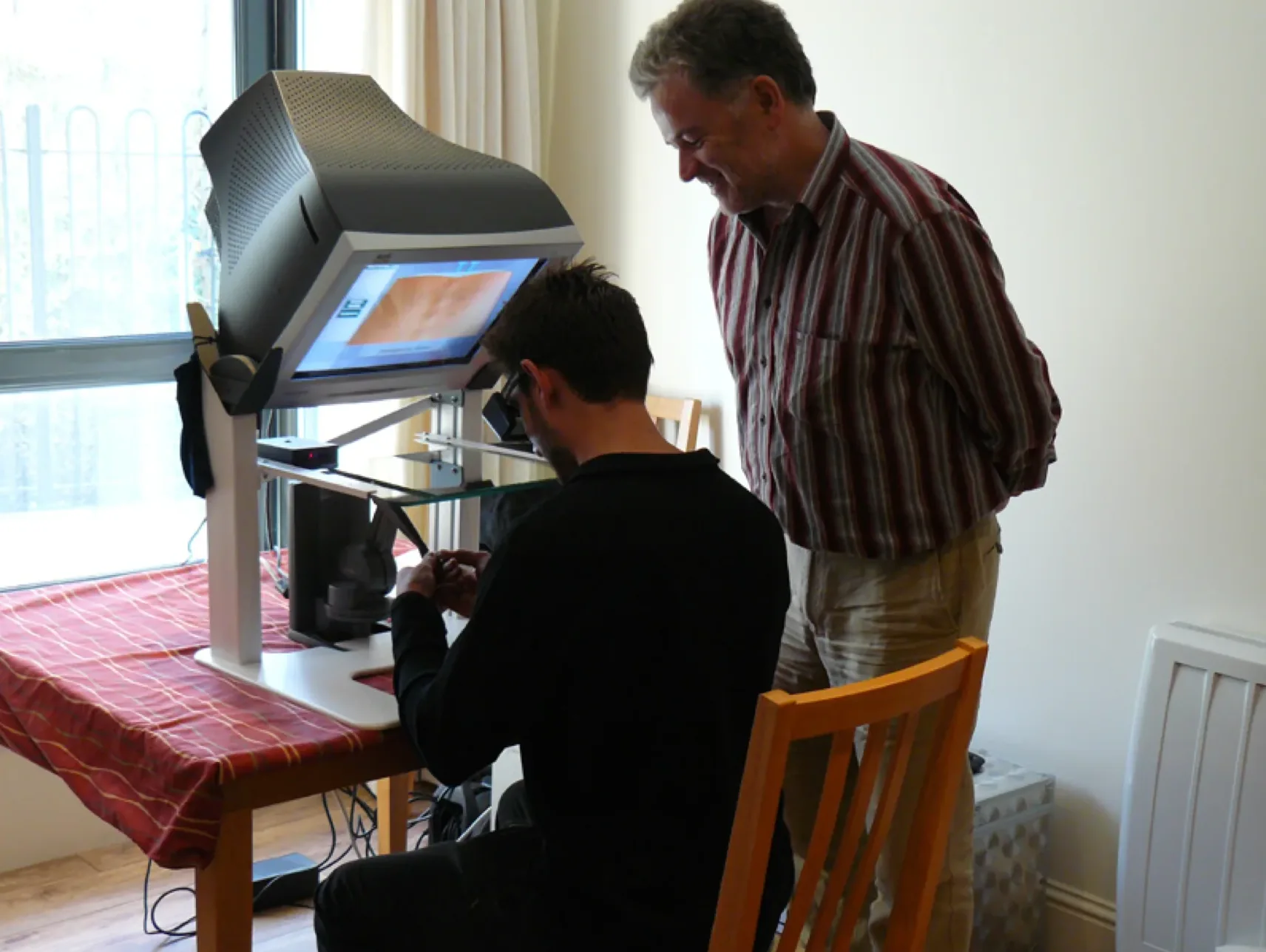 Safer Healthcare
VR and haptic simulators for spinal anaesthesia, validated against real clinical performance. My PhD research.
Read case study
Safer Healthcare
VR and haptic simulators for spinal anaesthesia, validated against real clinical performance. My PhD research.
Read case study
How I work
Value driven design
Delivering value through human-centred design.
Understand: User Research
User research has always been the foundation of my practice, whether as a user researcher, a designer or a leader of cross-functional design teams. I have run everything from quick-and-dirty research to longitudinal studies. The outcomes have ranged from improvement suggestions to large user scenarios that have helped organisations better understand their target groups and create offerings better suited to their customers.
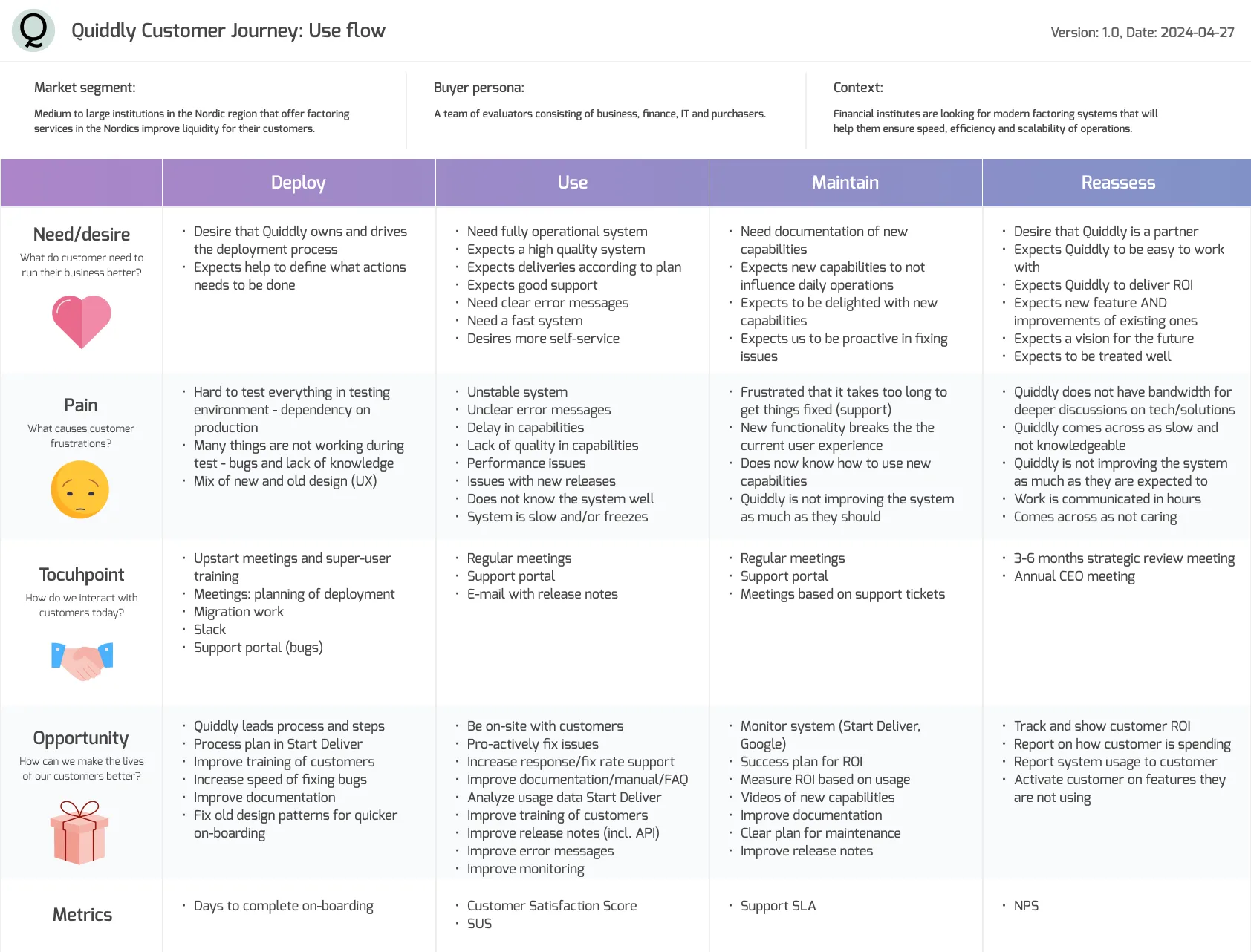
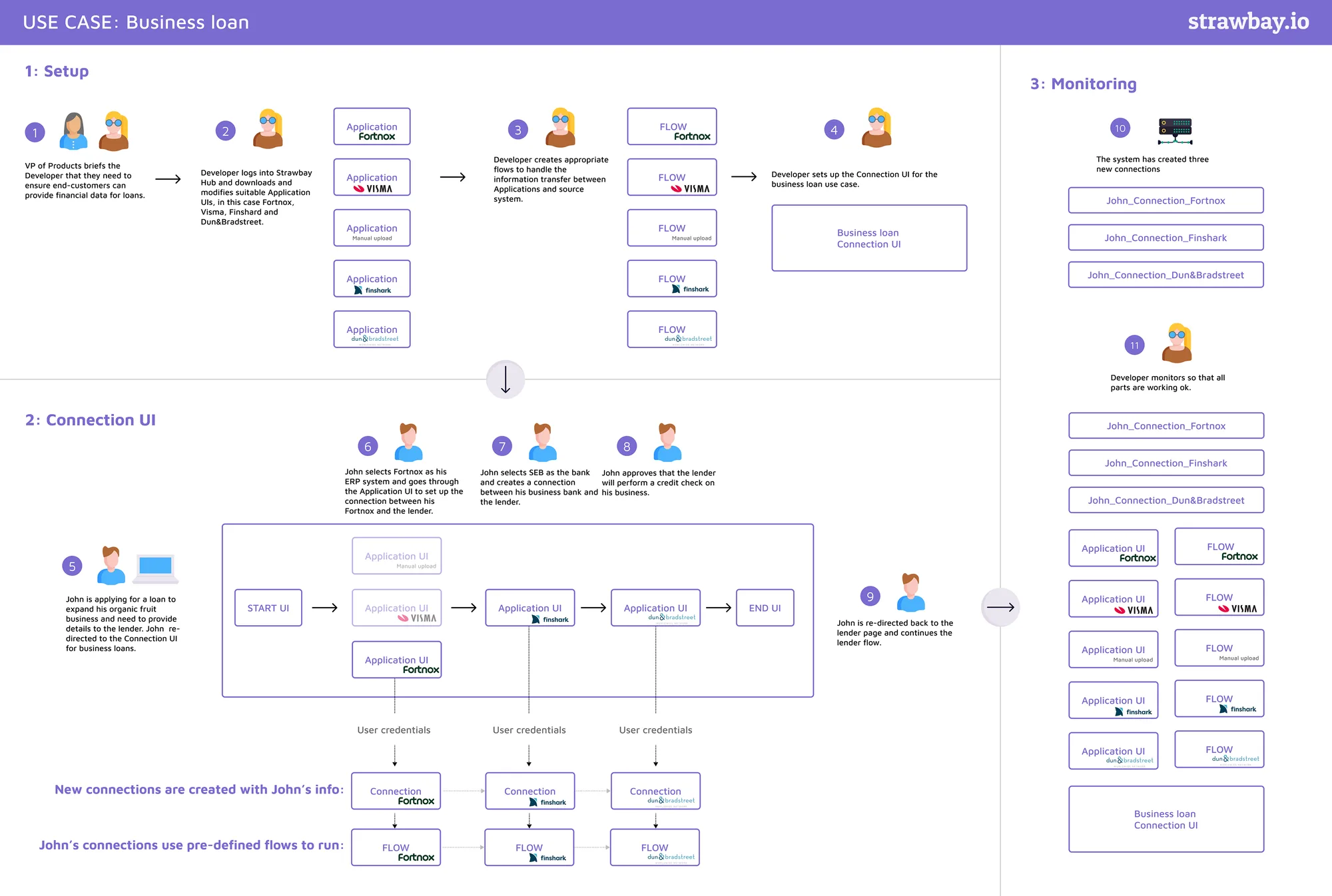
Define: Customer Journeys and User Flows
As a design strategist, I create high-level customer experiences in the shape of Customer Journeys and User Flows. These artefacts have helped organisations build a shared understanding of the experience and stay aligned with customer needs and expectations.
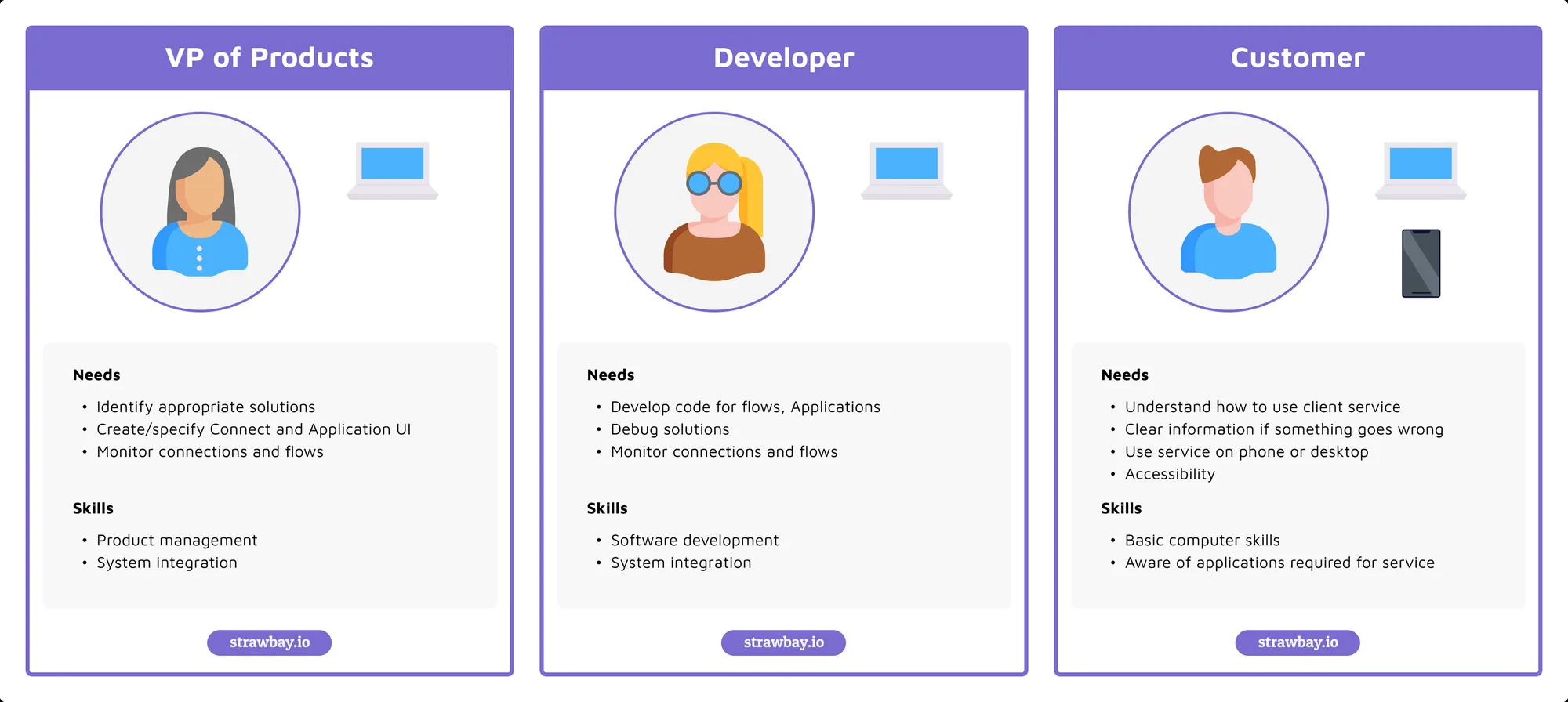
Ideate: Value mapping
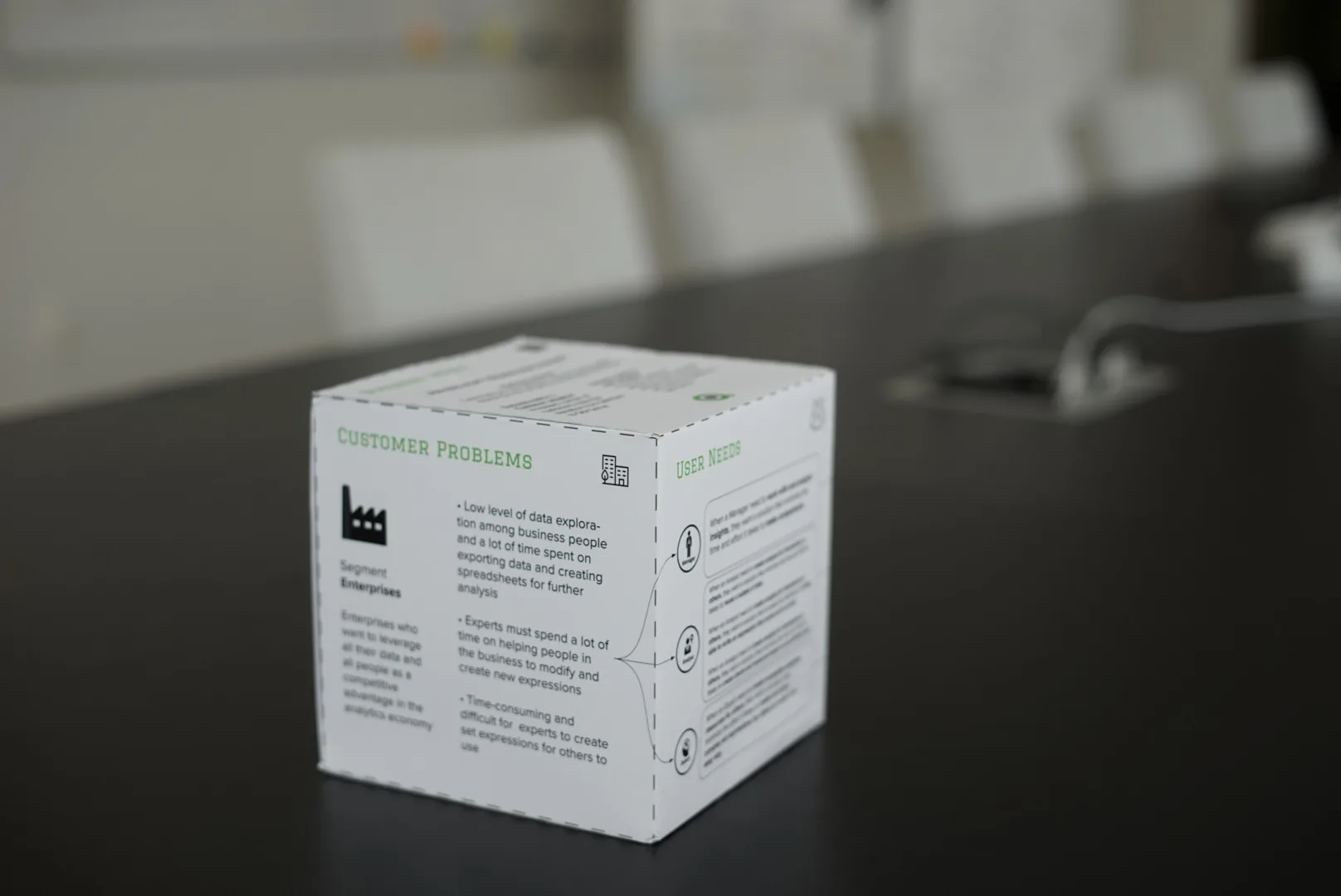
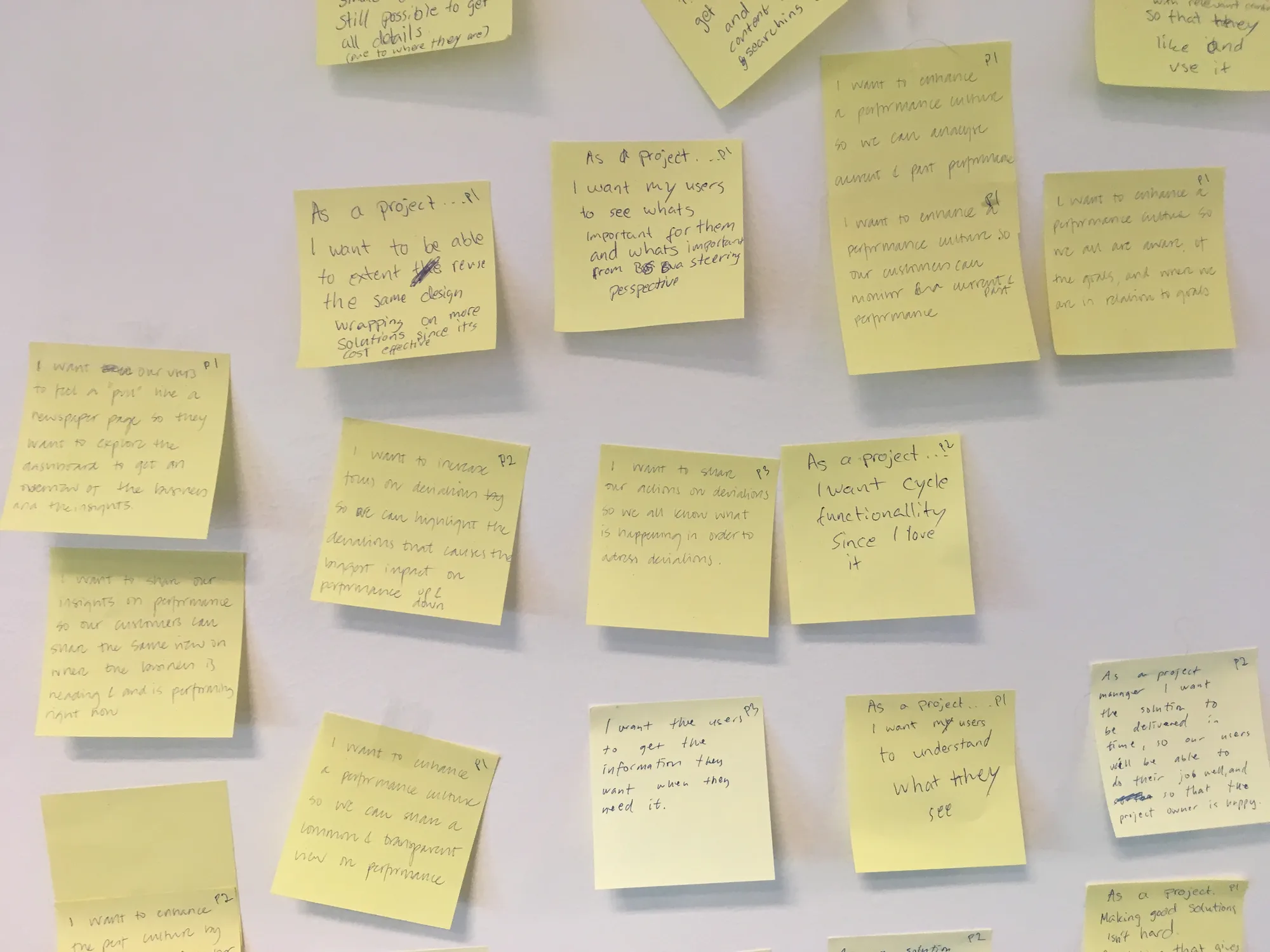
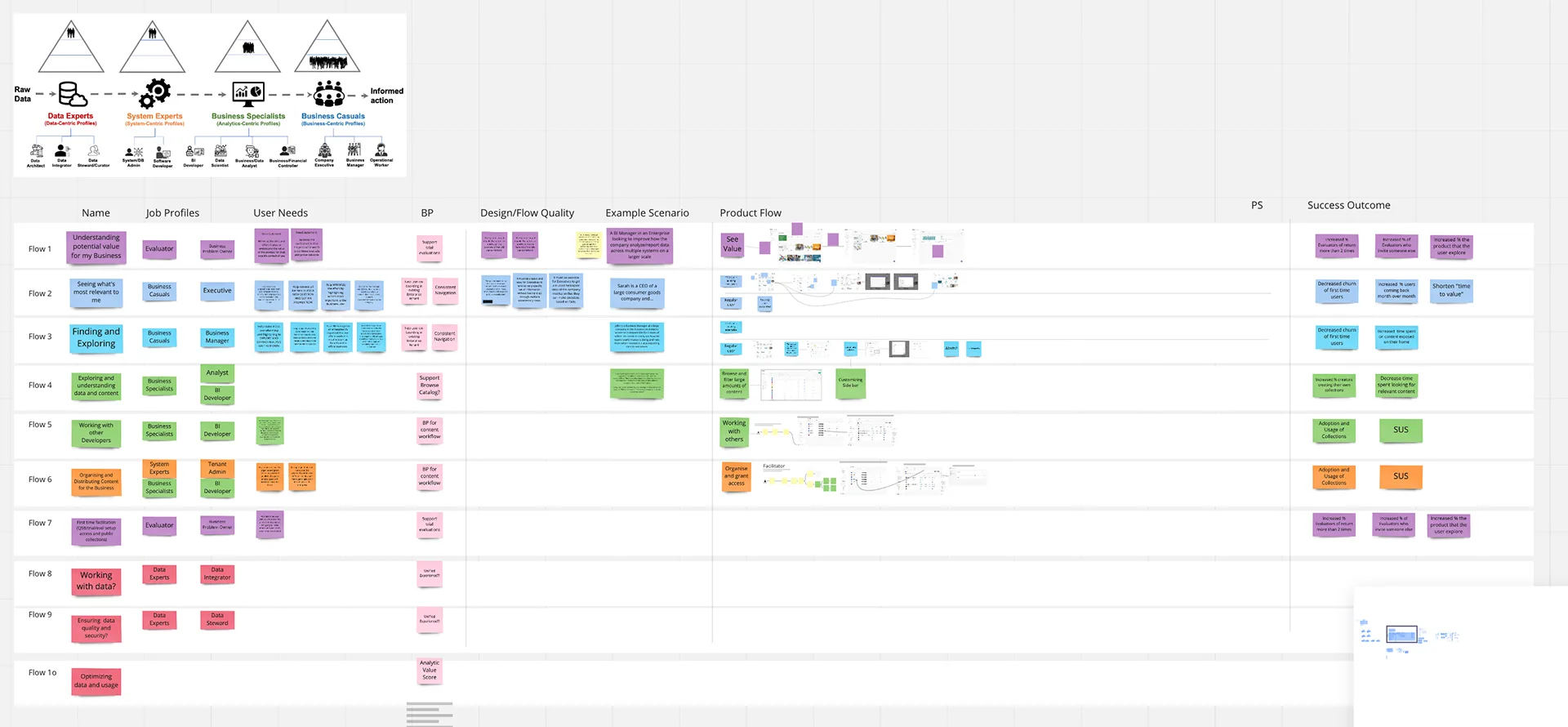
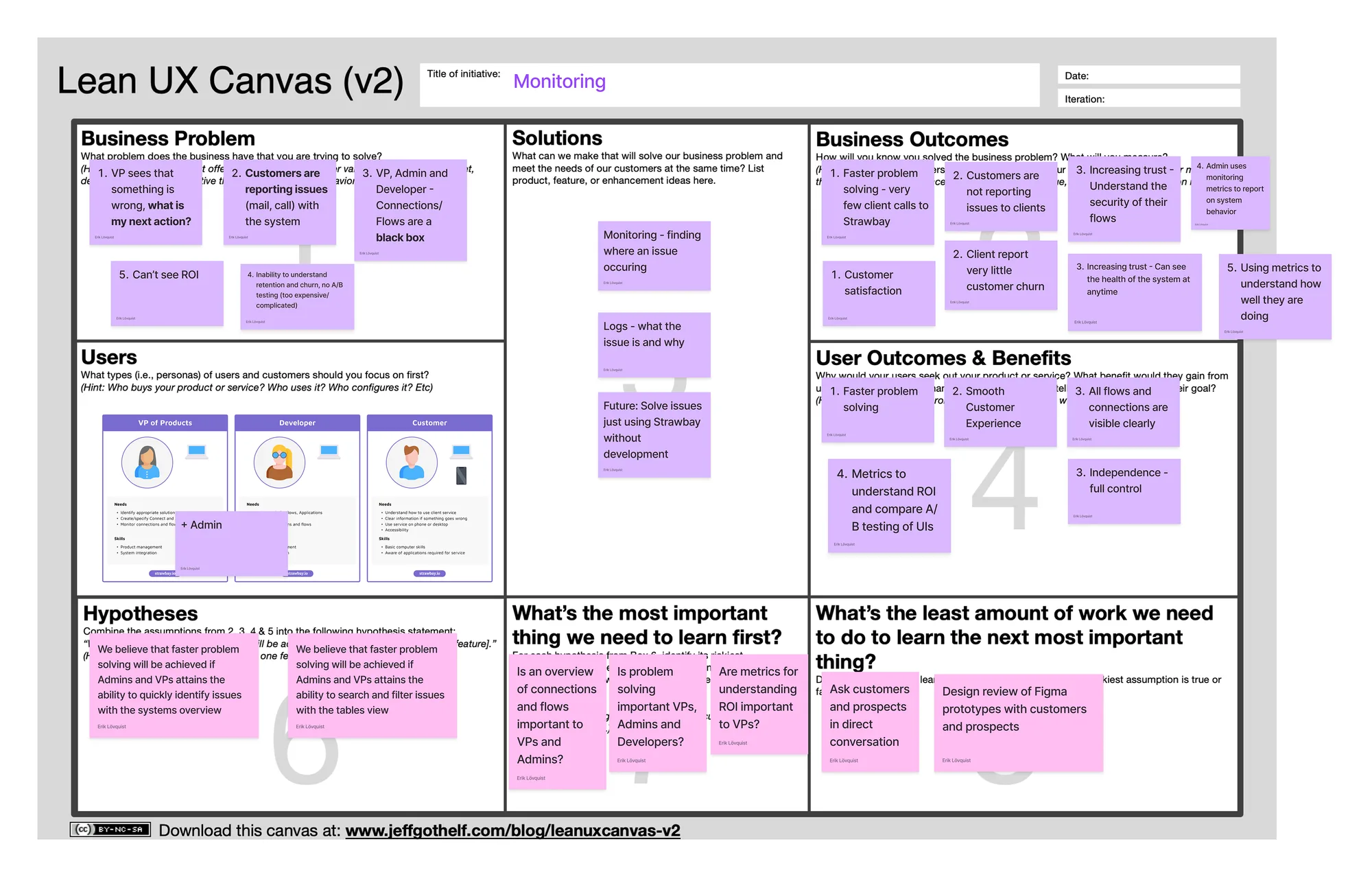
I run projects and workshops that create shared definitions of a problem space and ideas for solving it. I've designed and facilitated workshops that set a customer-centric direction going into the build phase of products and services.
Design/build: Building in Figma
I build designs in Figma on top of a shared design system, so every screen uses the same components, text styles and colour tokens as the product itself. That keeps designs consistent, fast to produce and easy for engineers to trust.
Each feature gets its own page in the file, from early explorations to finished flows that are marked as done and handed over to engineering. I prototype the key flows so we can test them with users and walk stakeholders through them before anything is built.
I build designs in Figma on top of a shared design system, so every screen uses the same components, text styles and colour tokens as the product itself. Each feature gets its own page in the file, from early explorations to finished flows handed over to engineering, and I prototype the key flows so we can test them with users before anything is built.
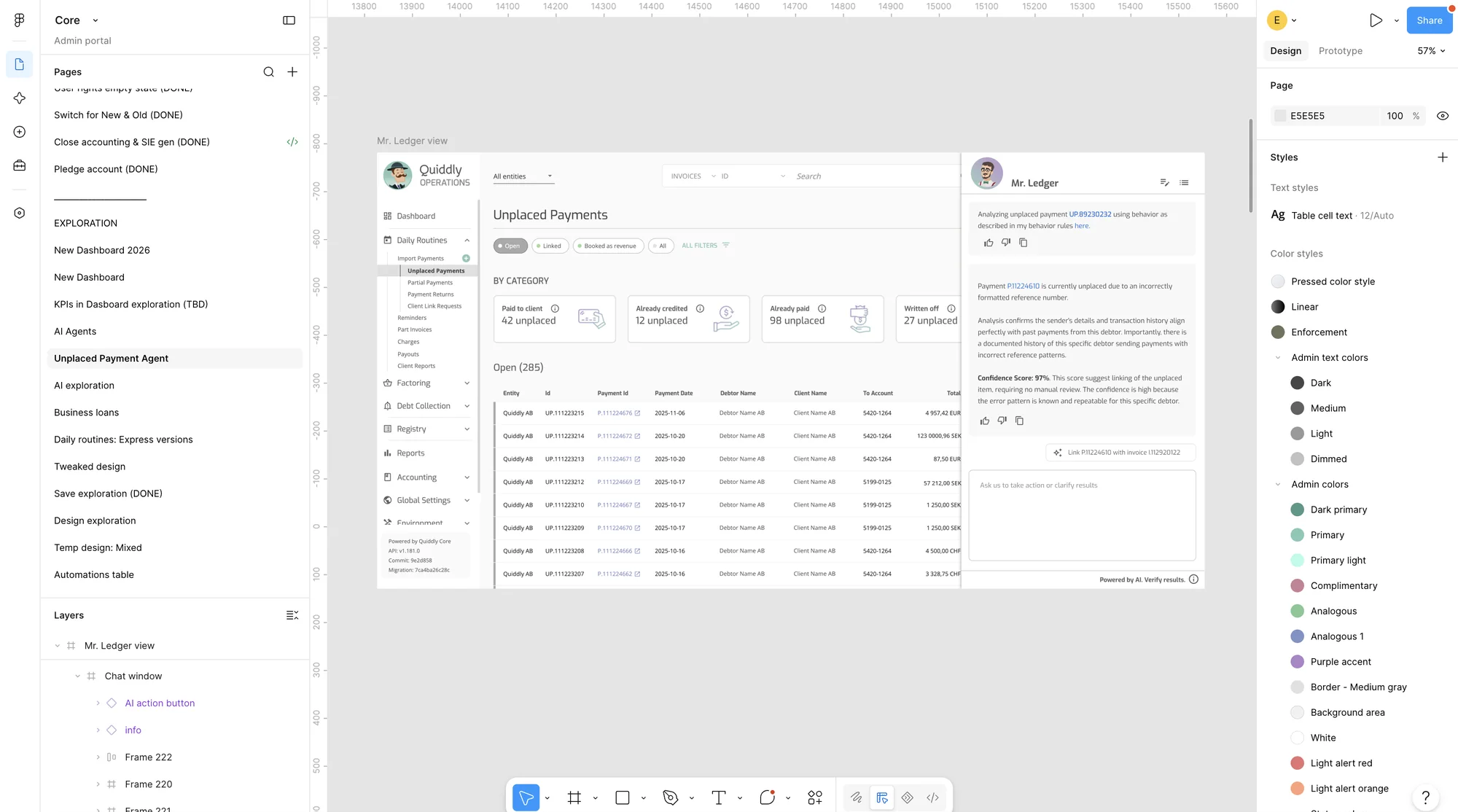
Exploring Mr. Ledger, an AI agent that explains why a payment couldn't be matched and suggests the next step
Test: Prototypes in users' hands
Before anything is built, I link the key screens into clickable Figma prototypes that behave like the real product: loading states, AI answers and follow-up chats included. That lets us put realistic flows in front of users and stakeholders early, watch where they hesitate and fix it while changes are still cheap.
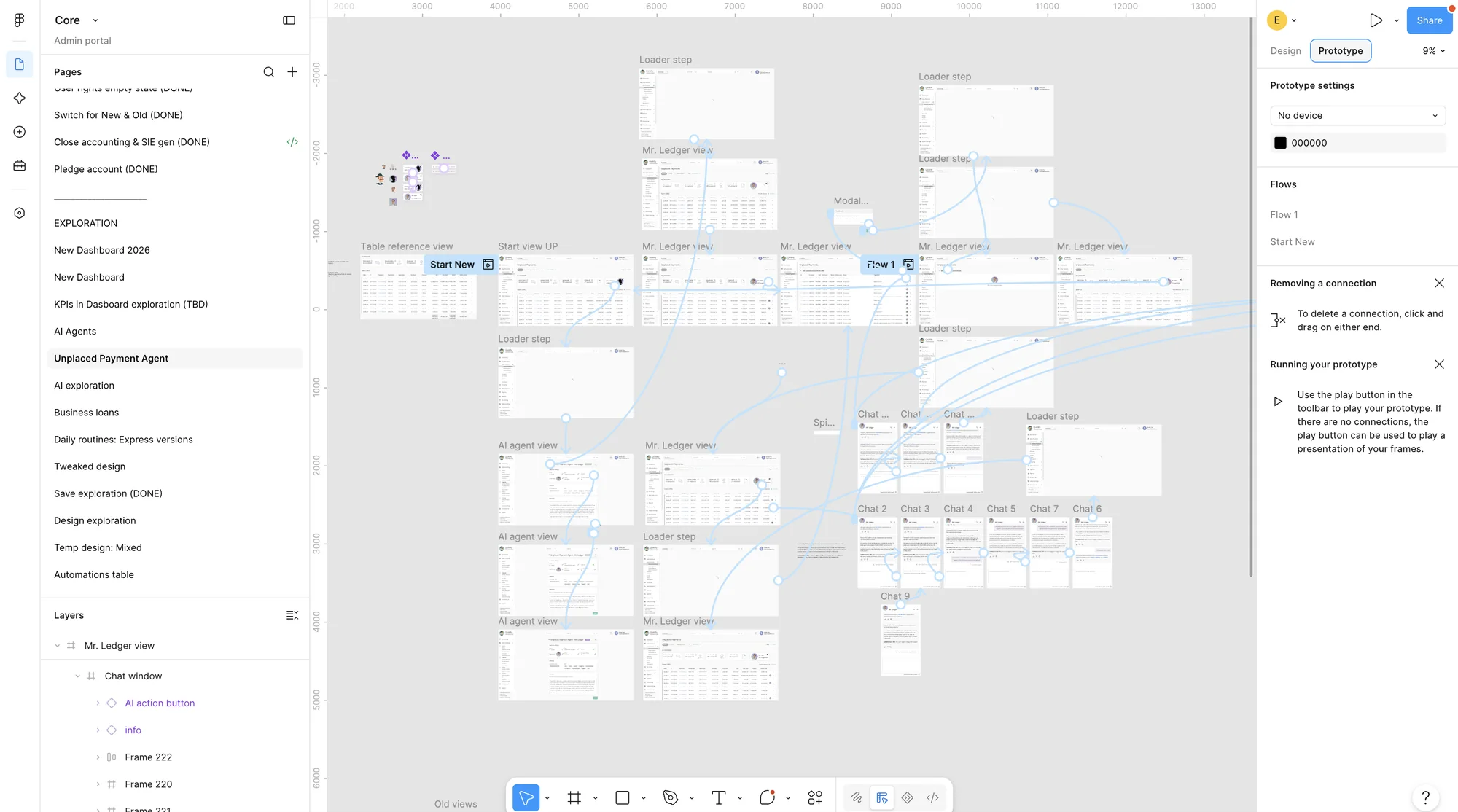
The prototype flows for the Unplaced Payment Agent, ready for usability testing
Ship: From prototype to product
I work closely with engineering through build and release, reviewing the implementation against the design and adjusting details as real data comes in. The result is a feature that behaves as tested, and a design system that grows with every release.
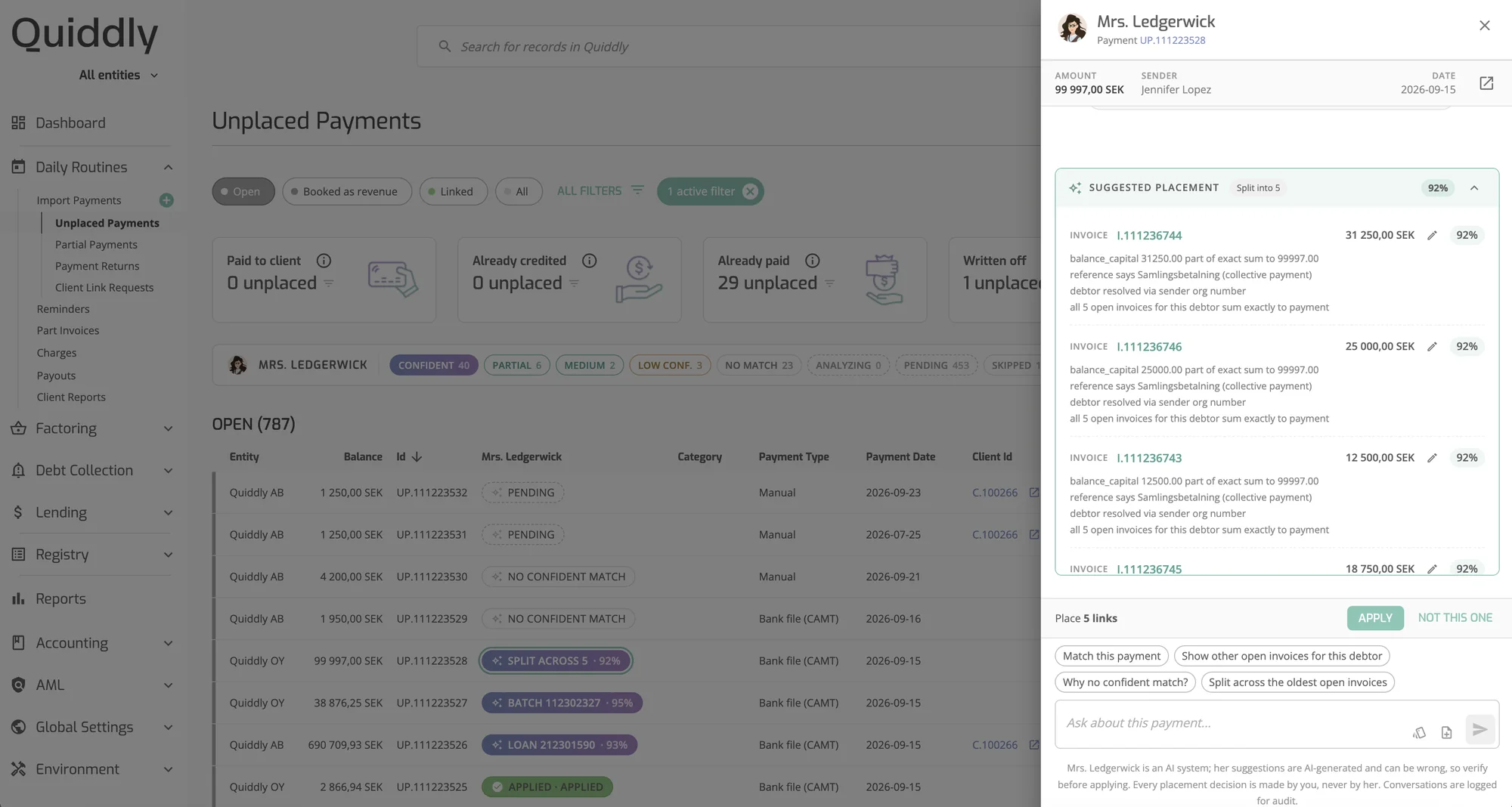
Shipped: Mrs. Ledgerwick suggests how to place an unmatched payment, with the reasoning shown, and the user makes the final decision
Measure: Usage and Usability Tracking
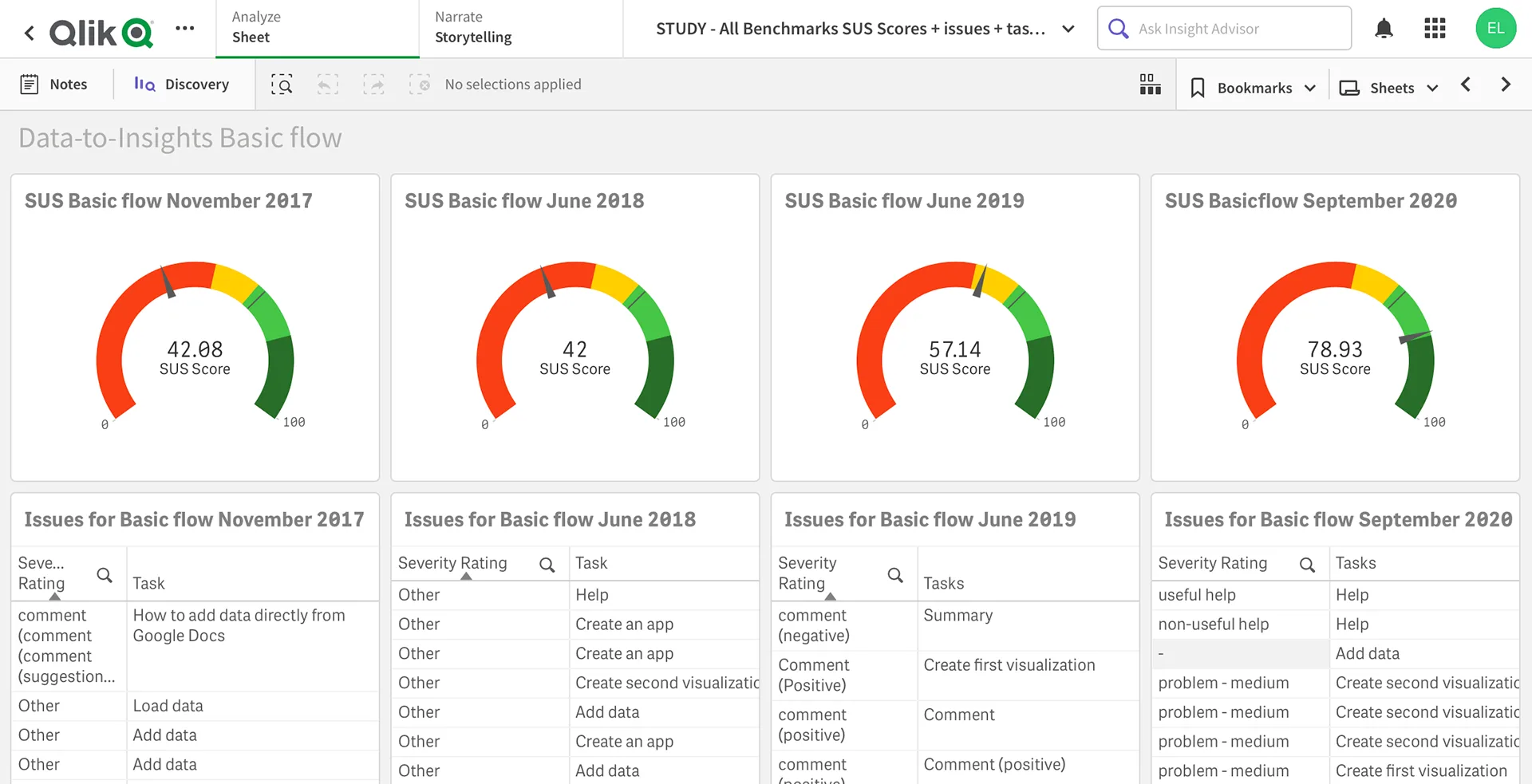
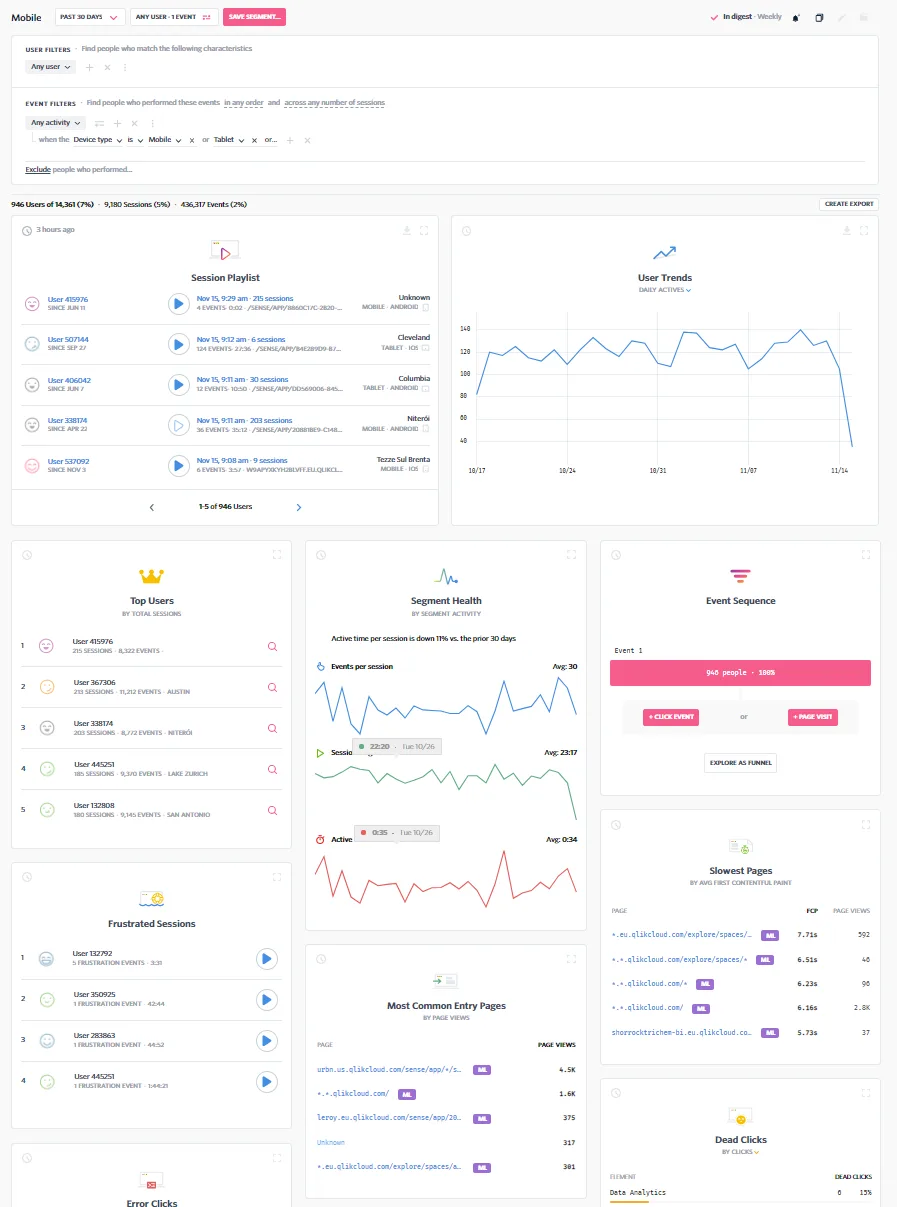
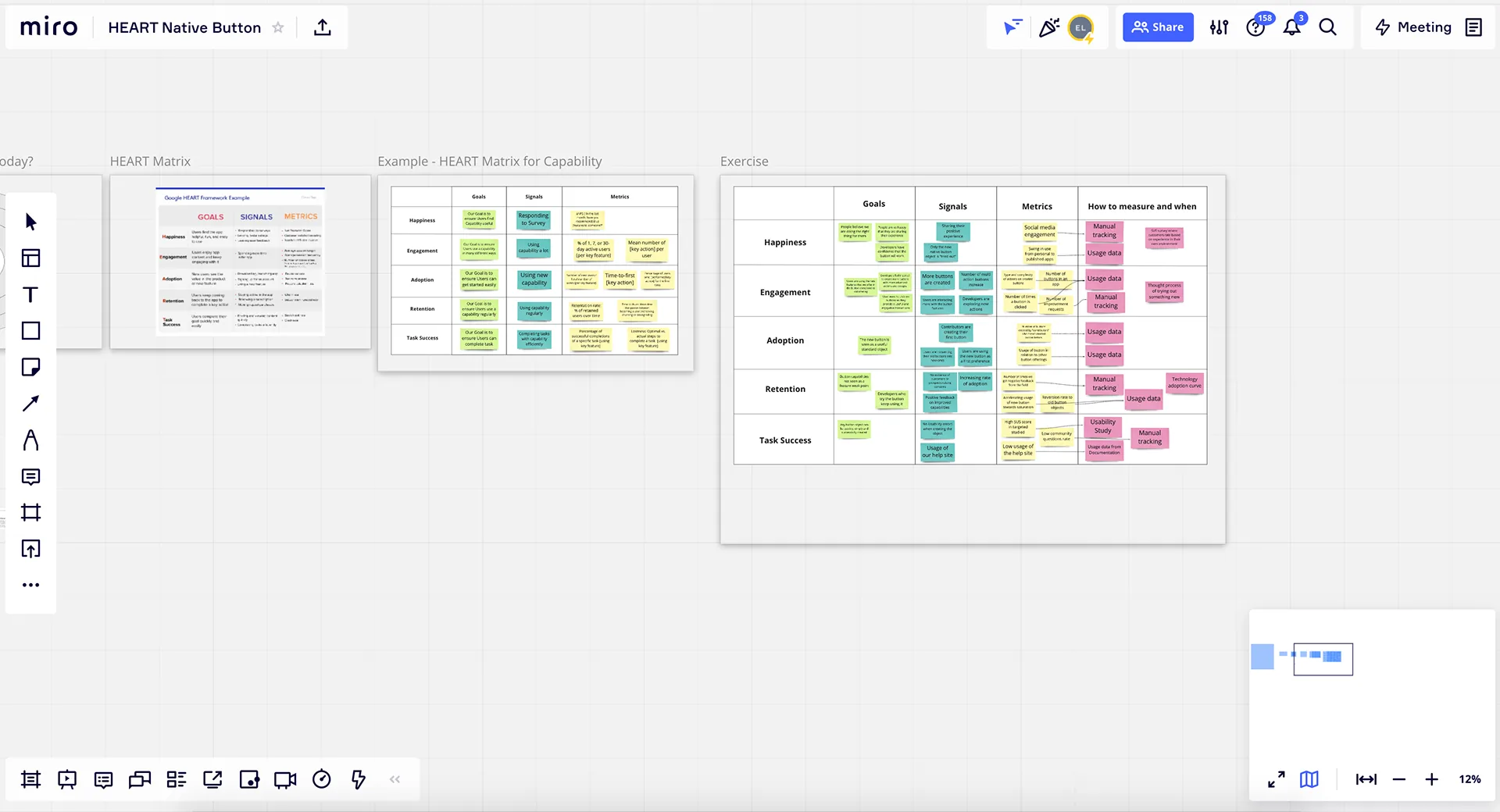
To make sure solutions actually meet the needs of customers and users, I've worked extensively with different ways of measuring usage. This includes mapping, implementing and following up key usage metrics in third-party tools (FullStory, Hotjar), as well as qualitative and quantitative usability testing.
Guiding the work
Design principles
Design principles help guide an organisation towards a holistic vision of a product or service. With their help, I have achieved higher UX quality, better stakeholder engagement and higher customer satisfaction.